Skip to content

Opponents who play like people

We wanted playing against the computer to feel more like sitting across from another person. That’s why each opponent has their own abilities, habits and experience. Give two of them the same hand and they may play it differently. One remembers what you picked up earlier. Another spots a chance worth taking. A third has played this game often enough to know when that chance is a trap.

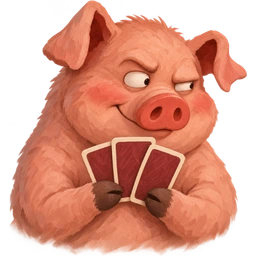
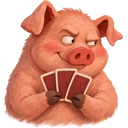
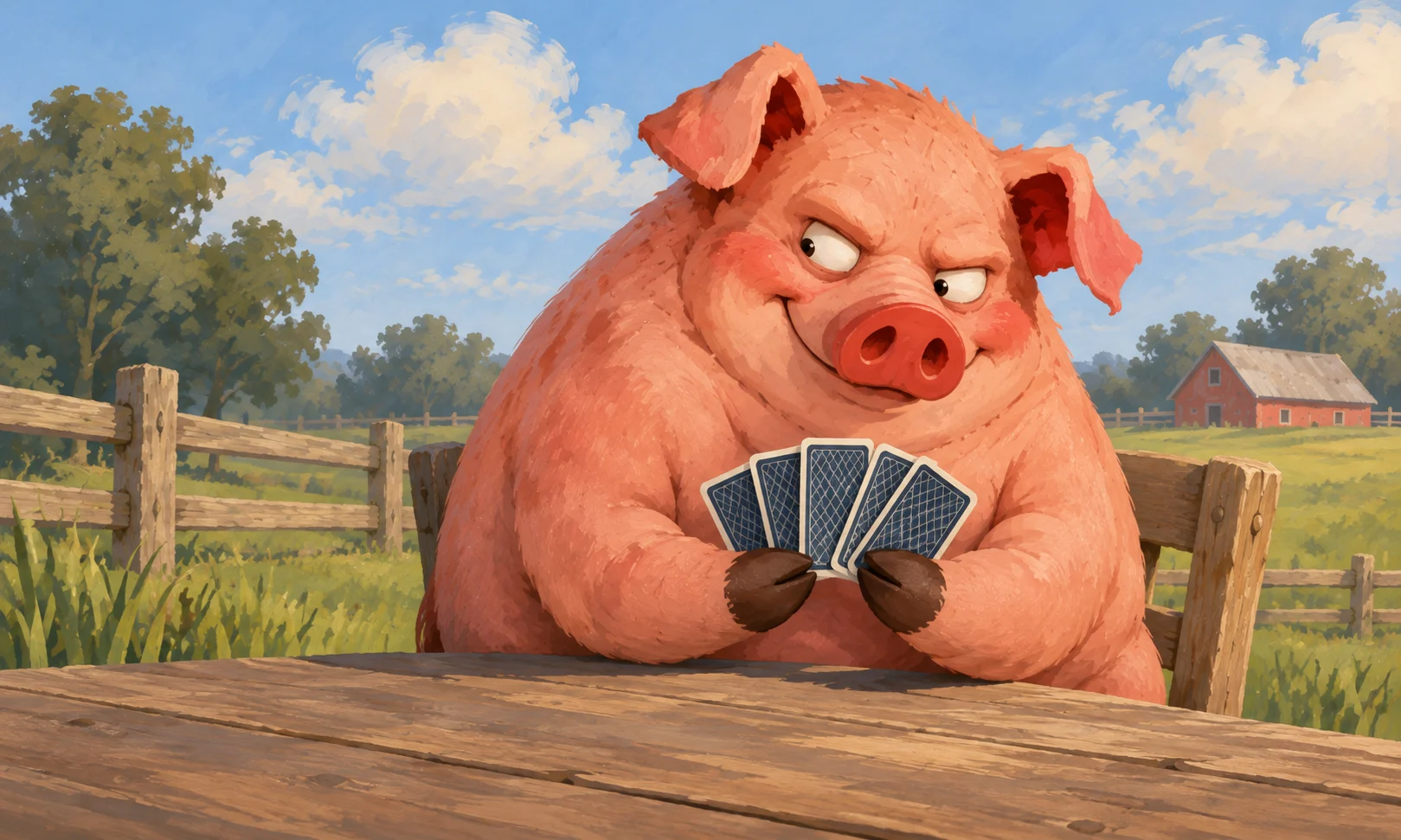
Piedro, a young pig, holding his cards close

This is . He likes to think he’s got you figured out. Ask for sevens in Go Fish and he might come straight to you when he draws one. Give it a few turns, though, and he may forget who asked.

Abilities, personality and experience

Abilities

Every opponent has the same five abilities, and each is better at some than at others. That’s what makes them play like people, not like a computer.

Attention
Did Piedro notice who picked up the eight of hearts?
Memory
Three turns later, can he still recall that pickup?
Reading the opponent
Does he suspect that a nearby heart could finish your run?
Thinking ahead
What might happen if he keeps the seven and discards something else?
Handling pressure
When a hand gets tense, can he still think it through?

Personality

Like people, each character has a personality of their own. When a hand could go either way, might take the risk where his father would wait.

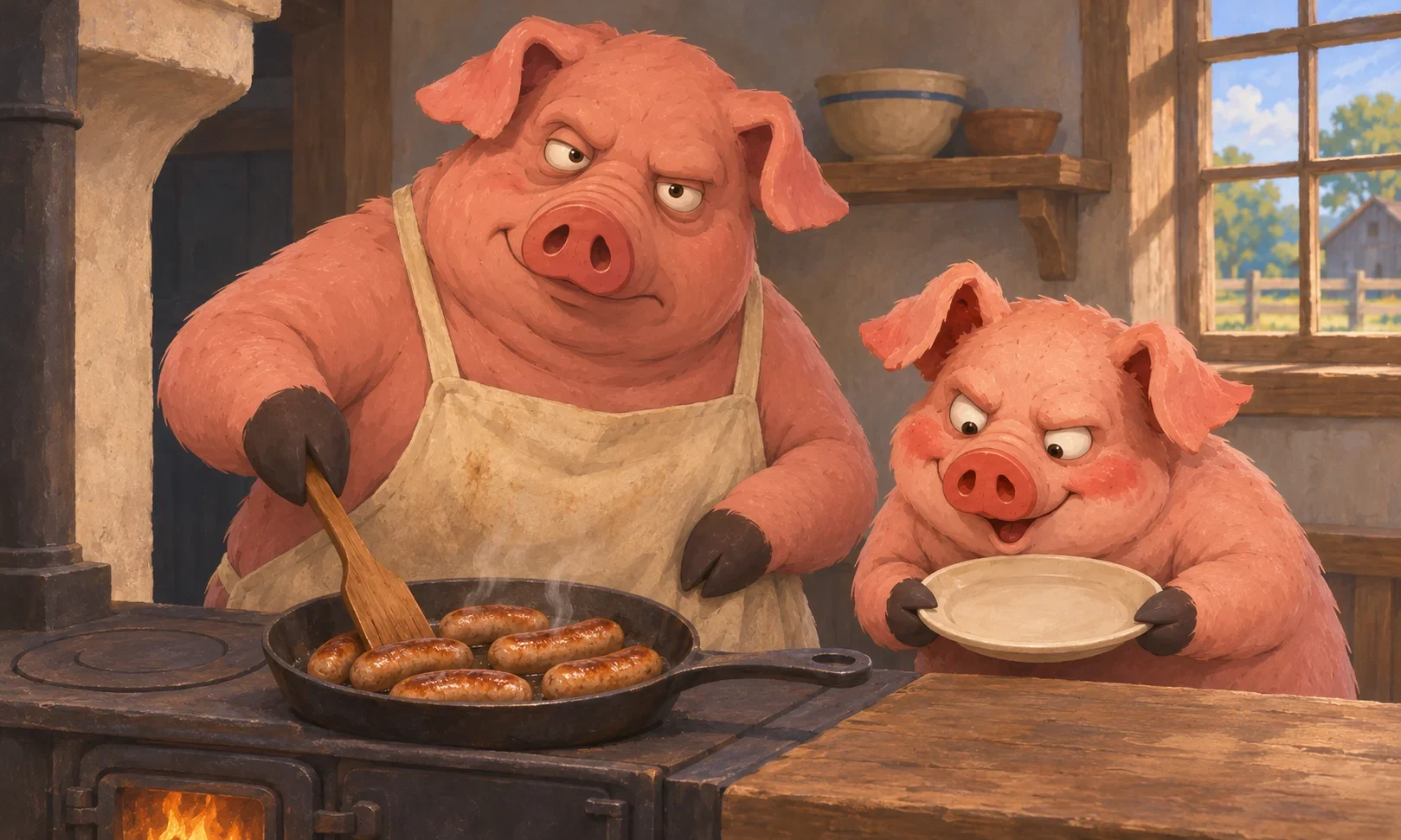
Guanciale and his son Piedro together at the farmhouse table
Guanciale and Piedro
Risk appetite
Take a chance or play it safe?
Patience
Take the points now or wait for a better hand?
Flexibility
Stick with the plan or change tack when a new card appears?
Competitiveness
Play for the company or play to win?
Self-confidence
Trust a hunch or give it a second thought?
Emotional expression
Give a little grin or keep a straight face?

Experience

Experience is how well a character knows the game you’re playing. The same character can be an expert at one game and a beginner at another.

  1. BeginnerKnows the rules and spots a move that helps their own hand.
  2. RegularRecognises familiar traps. An easy point now might cost them more next turn.
  3. ClubConsiders your hand as well as theirs. A card they don’t need might be just what you want.
  4. ExpertUses the cards already played to judge the odds when two moves both look good.

Skills and personality in action

Gin Rummy

That discard could finish your hand

Last turn, you picked up the 8. Now your opponent has the 7.

· May keep the seven

He remembers your pickup and suspects you’re building a run.

· May discard it

By her turn, she may have forgotten the eight. The seven is just a card she doesn’t need.

Your run
Their possible discard
The seven fills the gap in your hand.
Attention
Notice the pickup.
Memory
Remember it next turn.
Reading the opponent
Connect the eight to the missing seven.

Cribbage

Even a good player can miss a point

The same hand is worth three points. How many will each opponent count?

· May stop at two

He sees the fifteen and trusts his first count.

· May find the third

He doubts his count, looks again and spots the matching clubs.

Their hand
Starter
Two points for the fifteen. One more for the jack matching the starter’s suit.
Attention
Spot the matching clubs.
Handling pressure
Stay with the count in a tense hand.
Self-confidence
Decide whether to check again.

Gin Rummy

Take the points or keep trying?

Your opponent can end the hand now. Waiting could bring a better result, but gives you another turn.

· May knock now

He can see the chance of gin, but he likes the points already in hand.

· May wait

He’s willing to give you another turn for a chance to go gin.

Their melds
Deadwood
A 7 would extend the run and let them discard the two.
Thinking ahead
Weigh the next draw against your next turn.
Patience
Take the points or wait.
Experience
Recognise a chance worth waiting for.

Meet the cast

Moods

Coming soon

What happens at the table could affect how Piedro plays the next hand.

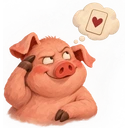
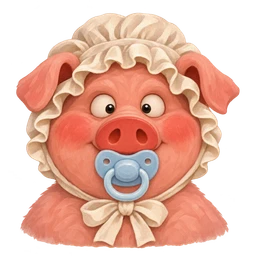
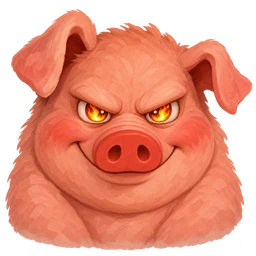
  • Piedro, focused: sharp eyes and a small smirk

    Focused

    You’re tied going into the last hand. With the game this close, Piedro might pay closer attention to which cards you pick up.

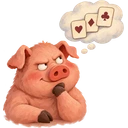
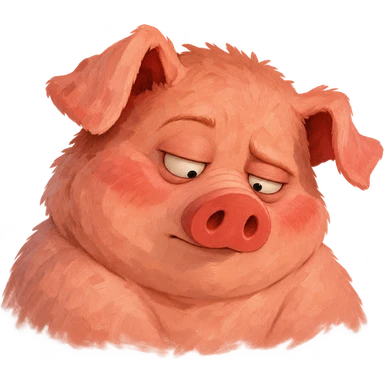
  • Piedro, tired: heavy eyelids and drooping ears

    Tired

    You’ve played several long hands in a row. By the next one, Piedro might forget a card he saw you take just a turn ago.

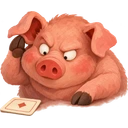
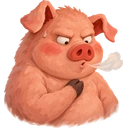
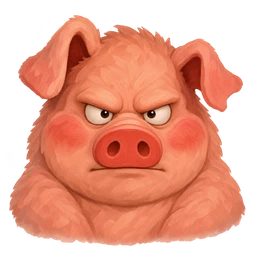
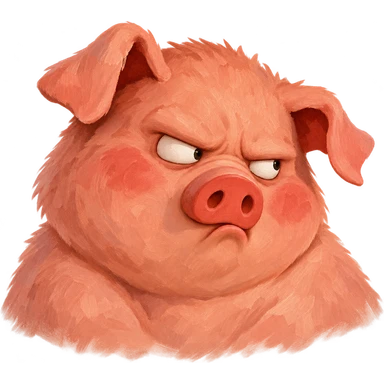
  • Piedro, frustrated: a pout and a sidelong glance

    Frustrated

    Two draws into a hand of Gin Rummy, you go gin. Piedro barely got to play. Next hand, he might take a risk he’d usually pass up.

Frequently asked questions

Do the opponents cheat?

No. They follow the same rules you do. They can remember cards you’ve shown, but they can’t peek at your hand or see what’s coming next in the deck.

Do stronger opponents get better cards?

No. The deck is shuffled the same way whichever opponent you choose.

Does the game help whoever’s losing?

No. The deal stays fair at any score, and opponents don’t lose on purpose. The score can still affect a decision. In Gin Rummy, an experienced opponent might knock sooner if a few points would win them the game.

Why does my opponent always seem to get the card they need?

Sometimes it’s a lucky draw. Other times, several cards would have helped. A Gin Rummy opponent holding the six and seven of clubs can make a run with either the five or the eight of clubs.

How can an opponent guess what I’m holding?

Say you take the seven of hearts from the discard pile in Gin Rummy. Your opponent might keep the eight of hearts in case you’re building a run, or hold back another seven in case you’re making a set.

Why did my opponent make a bad move?

An opponent can miss a useful card or forget what you picked up. Sometimes they see the risk and take it anyway.

How do I report a game?

When a game against opponents ends, press Report on the result, choose what went wrong and say what happened. You can also report a game later from Match history on your profile, up to 30 days after it ended. Reporting needs an account with a verified email.

Can I choose who I play against?

Yes. Open New game on a game’s page, choose your opponent and press Start. You can also open a character’s profile here and choose one of their games. No account is needed.